
行业
动态
COLLAPSE IN EUROPEAN PORTS AND AIRPORTS
The coming into force of new EU regulations at the beginning of the year to combat illegal fishing (IUU) has led to significant delays in recent weeks, causing the logistics of importing fish products at European ports and airports to collapse.
The main critical point is the implementation of the new digital CATCH system, integrated into the TRACES platform, which calls for complete digital traceability of fish. This system has led to numerous technical incidents, such as recurring crashes and duplication of tasks, leading to container blockages and serious inefficiencies in the logistics chain, with subsequent economic losses.
Spain’s General Council of Customs Agents (CGAA) called on Brussels to optimise the computerised fisheries control system to put an end to these blockages of goods.
HISTORIC EU-MERCOSUR AGREEMENT
After almost 30 years of negotiations, the European Union signed a trade agreement with Mercosur (Argentina, Brazil, Uruguay and Paraguay) to create the world’s largest trading area.
This pact covers 30% of the world’s GDP and eliminates tariffs on over 90% of bilateral trade, encouraging cooperation and fair trade. The agreement is thus presented as a response to the protectionist policy and tariffs promoted by US President, Donald Trump.
Although the historic intention was signed, the trade agreement is pending ratification and its final implementation will not be immediate.
INDIA AND THE EU, ZERO TARIFFS
At the end of January, India and the European Union concluded a historic free trade agreement that includes the elimination of tariffs on Indian seafood products, currently as high as 26% in some cases.
This agreement has been reached after two decades of difficult negotiations and in response to the search for new, reliable trading partners. Geopolitical pressure is leading the EU to disengage from its traditional dependence on Russia and China, as well as a need to seek alternatives to the US. This agreement benefits importers, processing, horeca and the retail sector, but will also put competitive pressure on European fleets and auctions.
The final impact will depend on the balance between trade liberalisation and regulatory control. India is not a marginal supplier, and is able to influence reference prices in the EU.
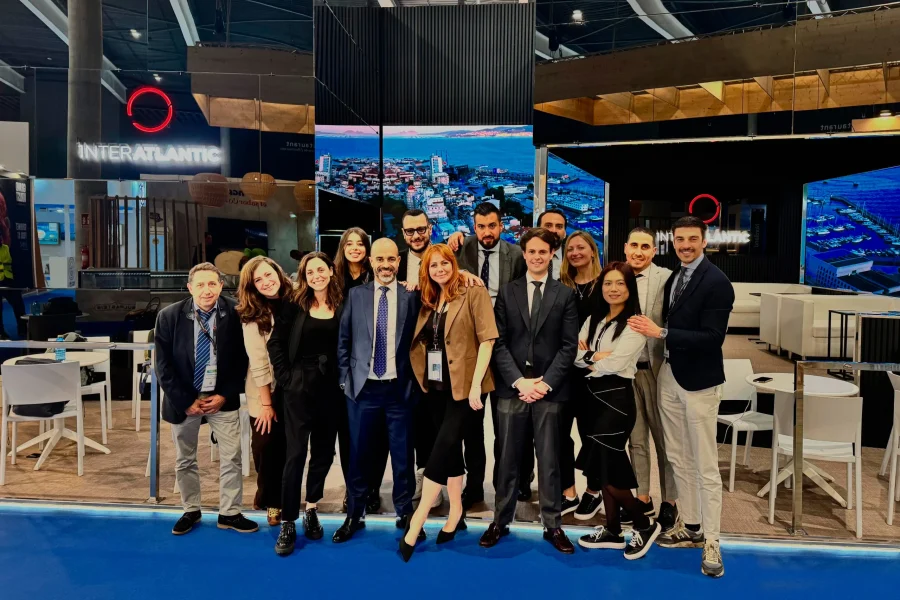
Seafood Expo Global 2026
Once again, Interatlantic took part in the Seafood Expo Global in Barcelona with its own stand, where we welcomed hundreds of clients and suppliers, strengthening international relationships and opening up new business opportunities.
The 32nd edition broke records, with more than 2,300 companies from 86 countries and over 35,500 industry professionals in attendance, consolidating its position as the world’s leading event for the seafood sector.
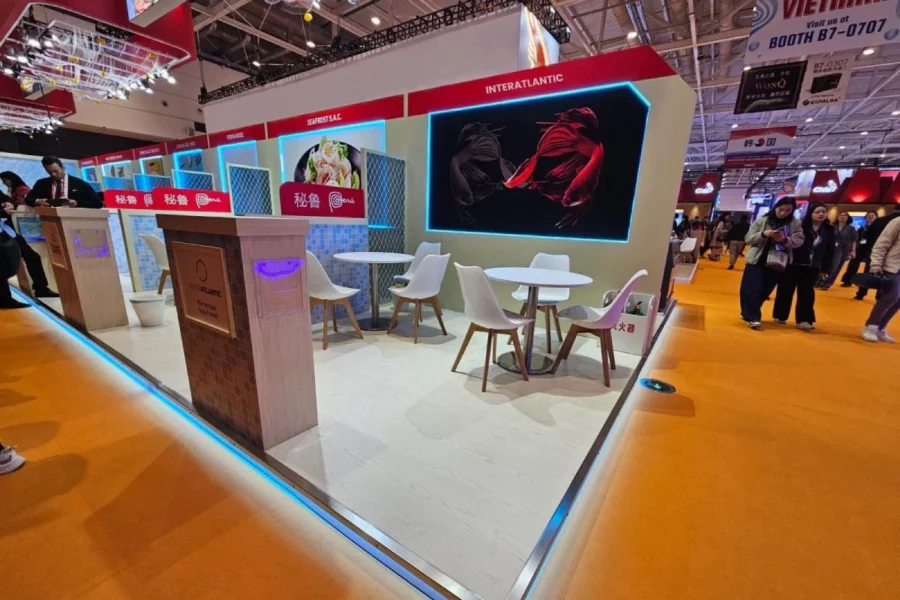
New Meeting in Qingdao
Interatlantic had the pleasure of taking part in the China Fisheries & Seafood Expo 2025, held from October 29 to 31 in Qingdao, the most important event in the fisheries and aquaculture sector in Asia. In this edition, together with Peruvian Sea Food (our plant in Paita), we were part of the Peruvian delegation, which promoted the presence of national exporting companies under the leadership of PROMPERÚ.
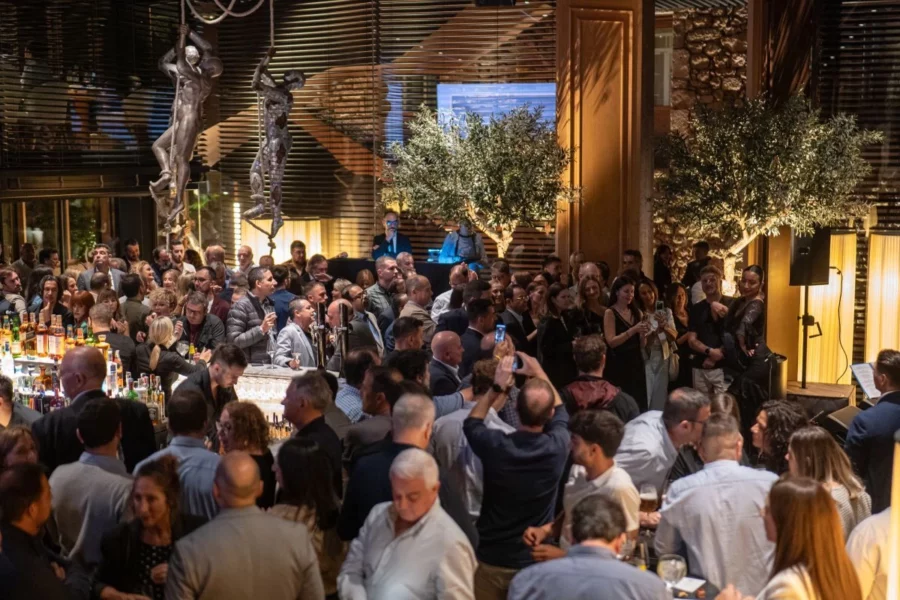
INTER PARTY – CONXEMAR 2025
This October, on the occasion of Conxemar 2025, Interatlantic held its annual party in Vigo, our headquarters, drawing together customers, suppliers and companies from all over the world.
Conxemar is an international meeting point for the frozen fish sector. The exhibition promotes innovation, sets trends in seafood and logistics, and consolidates Vigo as the world frozen food capital.
It was an ideal occasion to meet again, to strengthen relationships with our customers, suppliers and collaborators. See you next year!
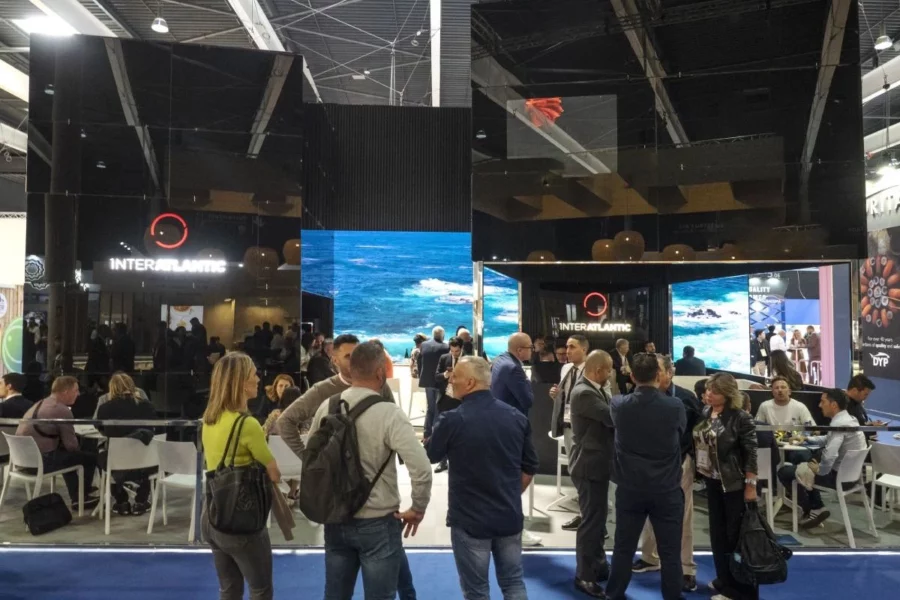
Record-Breaking Edition in Barcelona
Interatlantic was present at the 2025 Seafood Expo Global in Barcelona. Hundreds of clients and suppliers visited us at our stand during a record-breaking event that brought together more than 35,000 international professionals from the sector.
More than 2,000 exhibiting companies from 87 countries consolidated this edition as one of the world’s largest seafood trade fairs.